
Here are the latest credible news developments on the Israel–Iran conflict as of today (March 2, 2026) — there is no verified report that the Israeli Prime Minister has died. Instead, headlines are focused on escalating conflict following the confirmed death of Iran’s supreme leader, not Israel’s prime minister.
Latest Israel‑Iran Conflict Headlines (Mar 2 2026)

Intelligence assessment warns of Iranian attacks on US following Khamenei’s death

Israel strikes Lebanon after Iran ally Hezbollah fires missiles over border

Live Updates: U.S.-Israel conflict with Iran widens

What we know on day three of US-Israeli attacks on Iran

Rubio suggests US strikes on Iran were influenced by Israeli plans
🧨 Major Developments
• Intense regional conflict continues — Following Israeli and U.S. strikes on Iran, Iran and Iranian-aligned groups have launched missiles and drones at Israel and Gulf states, widening the conflict.
• Hezbollah and Israel clash in Lebanon — Hezbollah launched missiles into northern Israel, prompting Israeli airstrikes across southern Lebanon, killing dozens and injuring many.
• U.S. warns of further Iranian retaliation — U.S. authorities say Iran and aligned proxies may continue cyber and limited physical attacks following the confirmed killing of Iran’s supreme leader.
• U.S. forces have suffered casualties — Several U.S. servicemembers have been reported killed as the U.S. military engages in operations with Israel.
🕊️ What Triggered the Escalation
The crisis began after joint Israeli and U.S. strikes killed Iran’s supreme leader, Ayatollah Ali Khamenei, along with several senior officials — a major escalation that has sparked broad regional retaliation.
🔍 Regarding the Israeli Prime Minister
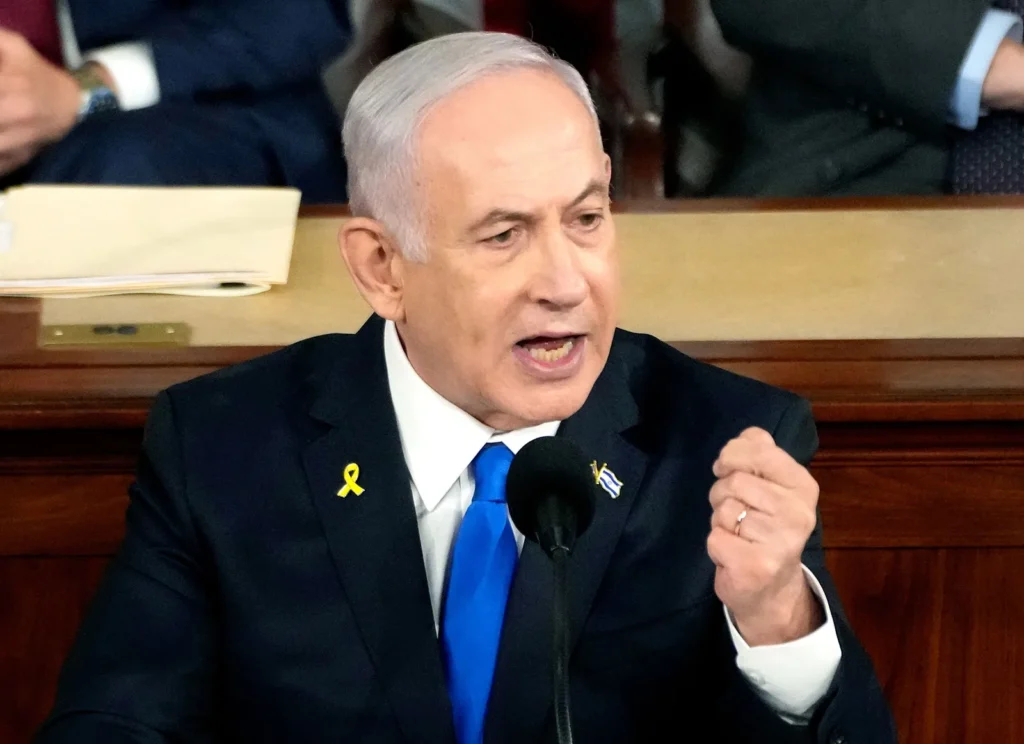
Iran’s Revolutionary Guard has claimed it targeted the office of Israel’s prime minister Benjamin Netanyahu, saying missiles hit government buildings including his office — but there is no confirmation from Israel that Netanyahu was killed or seriously injured. Israel has not verified any such claim.
📌 Summary
- Iran’s supreme leader Khamenei has been confirmed killed by Iranian state media and international reporting following U.S.–Israeli strikes — and this is the central event driving the current conflict.
- Escalated strikes and retaliations are ongoing between Iran, Israel, Hezbollah, the U.S., and Gulf states.
- There is no validated report that the Israeli prime minister has died. Claims of an attack on his office remain unconfirmed by Israeli authorities.
📅 Conflict Timeline (Late Feb – Early Mar 2026)
🗓️ Feb 28, 2026 – Conflict Begins
- Early morning: Explosions reported in Tehran as Israel and the U.S. launch a pre-emptive military strike on Iran, including military sites; sirens blare across Israel.
- Iranian state media later confirms the death of Supreme Leader Ayatollah Ali Khamenei in the strikes.
- Iran declares 40 days of official mourning for Khamenei’s death.
🗓️ Feb 29 – Mar 1, 2026 – Immediate Escalation
- Iran begins retaliating by launching ballistic missiles and drones toward Israel and U.S.-aligned targets in the Gulf, marking an intensified regional phase.
- Exchange of strikes expands to include Houthi and militia groups targeting nearby territories and infrastructure. (regional context)
🗓️ Mar 1, 2026 – Middle East Widening
- Iran and allied forces fire missiles and drones at Israel and Gulf states including the UAE, Bahrain, and Qatar.
- Israel responds, conducting airstrikes on Iranian state facilities including Iranian state TV infrastructure in Tehran.
- Global airline cancellations reflect growing instability in Middle Eastern airspace.
🗓️ Mar 2, 2026 – Regional Broadening
- Hezbollah (Iran-aligned) launches missiles from Lebanon, prompting heavy Israeli strikes in southern Lebanon; casualties and displacement reported.
- Israel publicly warns of targeting Hezbollah leadership next, indicating further escalation.
- Satellite imagery shows significant damage to Iranian military sites after sustained strikes.
- U.S. and Israeli leaders state the conflict may be prolonged, though not indefinitely.
🧨 Key Notes
📌 Israeli Leadership Status
Despite claims by Iranian media of targeting Israeli government facilities, there is no verified report that the Israeli Prime Minister has been killed or seriously injured. Israel has not confirmed any such loss. (This remains unverified).
📌 Conflict Nature
This confrontation has rapidly expanded from a U.S.–Israel strike on Iran’s leadership and military assets to wider regional engagement, including:
- Missiles and drones from Iran and allied militias
- Strikes in Lebanon, Gulf states, and beyond
- Diplomatic tensions with neighboring countries
International reactions to the Iran conflict (Mar 2026)

Israel, US will ensure Iran does not have nuclear capabilities, Israeli U.N. envoy says

Europe defends military bases and struggles to evacuate citizens as it is drawn into the war on Iran

China condemns US strikes on Iran as ‘brazen aggression’; presses for ‘dialogue and negotiation’

World reacts to US, Israel attack on Iran, Tehran retaliation

Global reaction to US, Israeli attacks on Iran
🌍 1) United Nations & Global Institutions
- United Nations Secretary-General Antonio Guterres strongly condemned the escalation and called for an immediate return to negotiations and diplomacy, stressing that the use of force undermines international peace and security.
- UN human rights chief Volker Türk condemned both the U.S.–Israeli strikes and Iranian retaliation, urging all sides to protect civilians and comply with international law.
- The UN Security Council held an emergency meeting, although no binding measures have been adopted yet.
🇪🇺 2) Europe
- European Union leaders (including presidents of the European Commission and Council) called the situation “greatly concerning,” urging maximum restraint, civilian protection, and respect for international law.
- France, Germany, and the UK issued a joint statement urging Iran to seek a negotiated solution and condemning Iranian retaliatory attacks — while clarifying they were not involved in the strikes.
- European countries are also focused on civilian protection and assisting evacuation efforts for their citizens amid rising tensions.
🇨🇳 3) China & Russia
- China strongly condemned the U.S.–Israeli military action as “brazen aggression” that violates international law and urged an immediate ceasefire and diplomatic dialogue to prevent further regional escalation.
- Russia labelled the strikes a premeditated and unprovoked act of armed aggression against a sovereign state and demanded a halt and return to diplomatic engagement.
🇺🇸 4) United States & Western Allies
- The U.S. government defends the strikes as necessary to neutralize Iran’s nuclear and missile threats; senior Israeli and American diplomats emphasize continuing military operations until those objectives are met.
- Britain granted U.S. forces permission to use British military bases to support targeting Iranian missile and drone capabilities — a sign of allied logistical cooperation.
🇲🇪 5) Middle East & Regional Actors
- Gulf Cooperation Council (GCC) states condemned Iranian attacks on their territories while allowing defensive cooperation against threats, reflecting mixed alignment with U.S. security roles.
- Arab League and regional governments (e.g., Egypt, Oman) urged all parties to exercise restraint and return to negotiations, warning of wider instability.
- Some Middle Eastern leaders condemned Israeli and U.S. actions as escalation — while others focused on Iranian violations of sovereignty and regional peace.
📌 Key Themes in International Responses
🕊️ Calls for Diplomacy & Restraint
Most global and regional leaders emphasize the need to avoid further escalation, protect civilians, and return to political processes rather than intensify conflict.
⚖️ Debate over Legality
China, Russia, and many Asian and African states have questioned the legal justification for the strikes without UN authorization — framing it as a violation of international norms.
🛡️ Allied Security Cooperation
Western allies like the U.S. and UK show operational cooperation against Iranian threats, while Europe balances support with caution to avoid deeper involvement.