
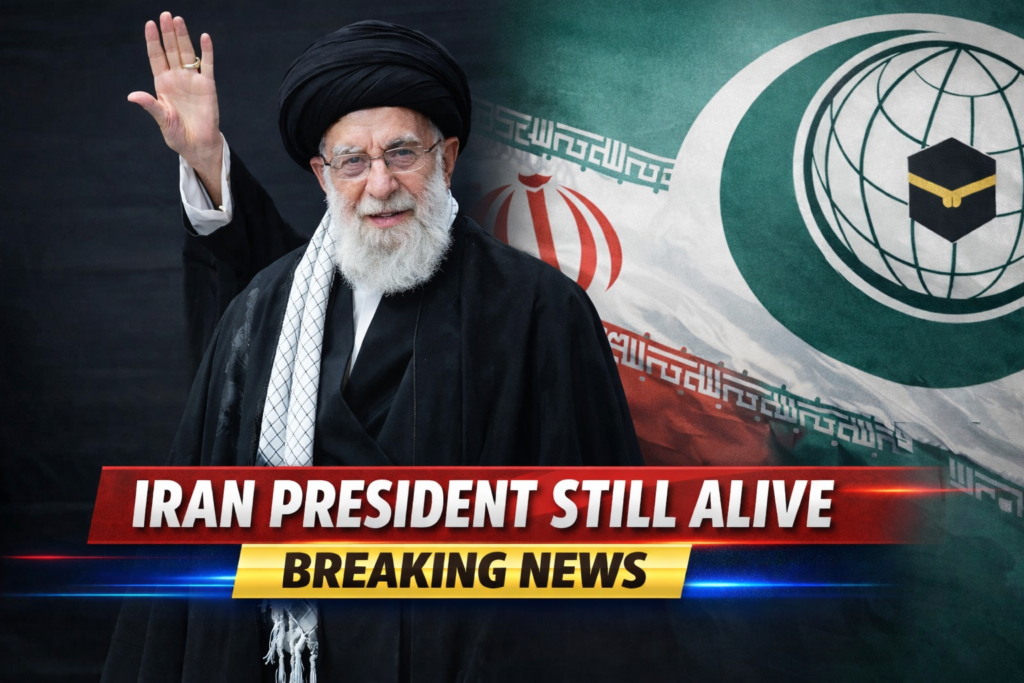
Latest Iran‑Israel‑US Conflict Updates (Mar 2026)
The Latest: Trump says Iran operations likely to last 4 to 5 weeks, but prepared ‘to go far longer’

US not veering into a new, endless war, Pentagon says

Live Updates: U.S. and Israel attack Iran

Gauging the Impact of Massive U.S.-Israeli Strikes on Iran

Pete Hegseth Says U.S. Will Hit Iran ‘Without Apology’ or ‘Hesitation’: ‘We Are Warriors’

After Khamenei, Who Could Lead Iran Next?
📌 Iran Leadership: Who Is Dead or Alive?
🇮🇷 Ayatollah Ali Khamenei – DEAD
- Iran’s Supreme Leader, Ayatollah Ali Khamenei, who led Iran since 1989, has been killed in joint airstrikes by the United States and Israel on February 28, 2026.
- His death was confirmed by Iran-official sources and by statements from the White House.
- Khamenei was 86 years old and had overseen Iran’s leadership, foreign policy, and military doctrine for 36+ years.
🛡️ Masoud Pezeshkian – President of Iran
- There were initial conflicting reports about whether President Masoud Pezeshkian was killed or alive during the strikes. Iranian officials at first said he and other top leaders were “alive and well.”
- However, independent reporting and international sources now indicate Khamenei is confirmed killed, and while there is no official independent confirmation of Pezeshkian’s death, most reporting suggests Pezeshkian is still alive and acting in a leadership role during the crisis.
🪖 Other High-Level Iranian Military Leaders
- Several top Iranian military figures — including the defense minister and senior generals — were reported killed in the same attacks.
🛠 Transition of Power
- After Khamenei’s death, an interim leadership council including President Pezeshkian and judicial leaders is overseeing Iran.
⚠️ Why Is There a War Between Iran, Israel, and the United States?
📌 Long-Term Underlying Causes
- Iran’s Nuclear Program and Regional Influence
- Iran’s pursuit of enriched uranium and its nuclear program have been a major point of tension with both the United States and Israel for years, with fears it could produce nuclear weapons.
- Tehran insists its program is for peaceful energy use, but Washington and Israel see it as a security threat.
- Proxy Conflicts and Regional Rivalries
- Iran has invested heavily in regional allies such as Hezbollah in Lebanon and support for Hamas in Gaza — groups often in direct conflict with Israel.
- This support has been a focal point of decades of indirect confrontation, including targeted assassinations of Iranian nuclear scientists and Revolutionary Guard commanders by Israel.
- Historical Shadow War Turning Open
- Prior to this year, much of the conflict was indirect, through proxy forces and secret operations. However, by mid-2025 and into 2026, direct strikes on Iranian soil by Israel and the U.S. escalated these tensions into open warfare.
📌 Immediate Trigger
The current active conflict ignited when Iran and allied militias fired missiles and drones following escalations connected to:
- Israel’s war with Hamas starting in October 2023.
- Missile exchanges between Iran and Israel in 2024.
- Significant Israeli airstrikes against Iranian nuclear and military infrastructure in 2025.
These events together pushed tensions past the threshold of proxy engagement into direct military confrontation.
📌 U.S. Involvement
The United States joined Israel’s military operations, citing:
- A need to counter Iran’s nuclear ambitions and military threats.
- The desire to prevent Iran from dominating the region through hostile proxy networks.
This joint operation — including strategic bombing campaigns — has resulted in substantial destruction, leadership decapitation efforts, and ongoing retaliation.
🔥 Current Situation on the Ground
- The conflict now involves air and missile strikes by U.S. and Israeli forces on Iran, and Iranian retaliation with rockets, drones, and indirect attacks toward Israeli and U.S. positions.
- Major world powers are taking sides or calling for restraint, while global energy markets and regional stability are being impacted.
📍 Summary
| Topic | Status |
|---|---|
| Iran’s Supreme Leader | Dead (Ayatollah Khamenei) |
| Iran’s President | Believed Alive (Masoud Pezeshkian) |
| Cause of War | Long-standing nuclear, regional proxy conflicts + recent escalations |
| U.S. Role | Military partner with Israel in strikes against Iran |
| Israel’s Role | Initiator of deep strikes targeting Iran’s leadership and infrastructure |
Here’s a clear, fact-checked timeline of the conflict between Iran, Israel, and the United States, explaining how the war started and the key events through March 2, 2026 based on major reported developments:
Major Iran–Israel–U.S. Conflict Events Timeline (2023–2026)
The Latest: Trump says Iran operations likely to last 4 to 5 weeks, but prepared ‘to go far longer’

US-Israel war on Iran dramatically expands across Middle East

Pentagon says Iran will not be “endless war”
📅 Timeline of Key Events
🗓 October 7, 2023 – Hamas War Begins
The broader Middle East tensions escalated when Hamas launched a large attack on Israel, triggering the Israel–Hamas War. This deepened regional polarization and drew in Iran’s political and material support for militant groups.
🗓 2023–2024 – Rising Proxy Conflicts
Throughout 2024, Iran and Israel engaged in a series of proxy confrontations, cyberattacks, covert strikes, and missile exchanges — particularly over Iran’s nuclear program and ballistic missile development. Naval and air forces from both sides increased deployments in the Persian Gulf and eastern Mediterranean.
🗓 June 13, 2025 – Major Missile Exchanges
Iran launched significant ballistic missile and drone strikes against Israel in retaliation for earlier Israeli airstrikes targeting Iranian nuclear and military facilities. Both sides reported casualties and infrastructure damage during these clashes.
🗓 June 24, 2025 – Temporary Ceasefire
A 12-day conflict between Iran and Israel paused when a ceasefire was brokered by the United States and Qatar. This truce brought a short reduction in hostilities but underlying tensions remained unresolved.
🗓 Late February 2026 – Operation Lion’s Roar
On February 28, 2026, coordinated air and missile strikes were launched by Israel, with at least partial U.S. support, against multiple targets inside Iran under what was described as Operation Lion’s Roar. This marked a major shift from indirect proxy warfare toward open military confrontation.
Immediately after these strikes:
- Iran’s Supreme Leader Ayatollah Ali Khamenei was killed, a development confirmed by multiple international reports.
- Iran responded with multiple waves of missile and drone attacks targeting Israeli and U.S. allied positions in the Gulf region.
- Regional fighting expanded, including Hezbollah–Israel clashes on the Lebanon border.
🛠 Why the Conflict Escalated
📌 1. Long-standing Nuclear and Security Tensions
For years, Israel and the U.S. have accused Iran of pursuing a nuclear program with military potential. Tehran insists its program is peaceful, but disagreements over inspections, enrichment limits, and sanctions have repeatedly stalled diplomatic efforts.
📌 2. Regional Influence and Proxy Wars
Iran funds and arms allied groups like Hezbollah in Lebanon and Hamas in Gaza. Israel views this as a direct threat to its security, and prior strikes on Iranian nuclear scientists and military assets deepened hostility.
📌 3. Breakdown of Diplomacy
While there were rounds of talks between Washington and Tehran as recently as early 2026, parties failed to reach agreements on key terms related to missiles, nuclear limits, and inspections — contributing to the decision by Israel and the U.S. to launch military operations.
📌 Current Status (as of March 2, 2026)
- Open Military Conflict: Hostilities are ongoing between Iran and the joint U.S.–Israel forces, including airstrikes, missile exchanges, and regional escalations.
- Regional Spread: Fighting has expanded beyond Iran’s borders, affecting the Strait of Hormuz, Gulf states, Lebanon, and other parts of the Middle East.
- Civilian Impact: Civilian casualties, internet blackouts, and infrastructure disruptions have been widely reported across the region.
🧠 Summary of War Causes
| Main Driver | Explanation |
|---|---|
| Nuclear Program Dispute | Iran’s nuclear ambitions versus Israel and U.S. security concerns. |
| Proxy Warfare | Long-term indirect conflict through militant groups (Hezbollah, Hamas). |
| Failed Diplomacy | Breakdown in negotiations over disarmament and enforcement. |
| Direct Strikes | First major direct offensive by Israel/U.S. inside Iran in Feb 2026 |
Should you be exploring the best colors for pale skin or attempting to find your seasonal color palette, resources like color analysis apps and quizzes can be exceptionally helpful. For instance, doing an undertone vein test can reveal whether you have blue veins undertone or yellow undertone skin, which is important when picking between deep summer color palette or light spring color palette. You can also try free online color analysis tools to get a immediate idea of what colors work well on pale skin or yellow skin tone.
Seasonal color analysis breaks down skin tones into groups like deep summer, soft summer, or dark winter color palette, allowing you find your most flattering shades. For those with special skin tones such as amber skin tone, olive skin tone, or red undertone skin, comprehending your skin shade chart and seasonal color palette genuinely makes a difference in clothing preferences. If you want to dive deeper into color analysis pro or explore different hair color simulators paired with your skin tone color, visit neutral skin tone to get underway.